Best Summer Landscaping Tips to Beat the Heat
Summer in Southern Utah means blazing sun, high temperatures, and intense pressure on your landscape. Without the right strategy, your yard can quickly go from lush to lifeless. At C&K Landscaping, we’ve helped homeowners across Centerfield, Richfield, and Manti keep their landscapes thriving through the hottest months. Here’s your practical guide to summer landscaping that fights back against the heat.
1. Water Smarter, Not Harder

The biggest mistake in summer landscaping is watering too often but too shallow. That encourages weak roots and wasted water. Instead:
Water deeply 2–3 times per week – Most Utah lawns need about 1 to 1.5 inches of water weekly, including rainfall.
Water in early morning – Before 8 a.m. reduces evaporation and prevents fungal disease.
Check your irrigation system – Broken heads, leaks, or misaligned sprinklers can waste thousands of gallons. C&K Landscaping offers professional irrigation installation and maintenance to ensure every drop counts.
2. Choose Heat-Tolerant Plants
Not all plants are built for Utah summers. Smart summer landscaping relies on native and drought-resistant species. At C&K’s plant nursery, we recommend:
Russian sage – Handles full sun and needs little water.
Penstemon – Utah native that blooms all summer.
Blue fescue – Ornamental grass that stays blue-green even in heat.
Lavender – Thrives in dry, hot conditions and repels pests.
Avoid thirsty plants like hydrangeas or certain maples unless you’re prepared for heavy watering.
3. Mulch Everything You Can
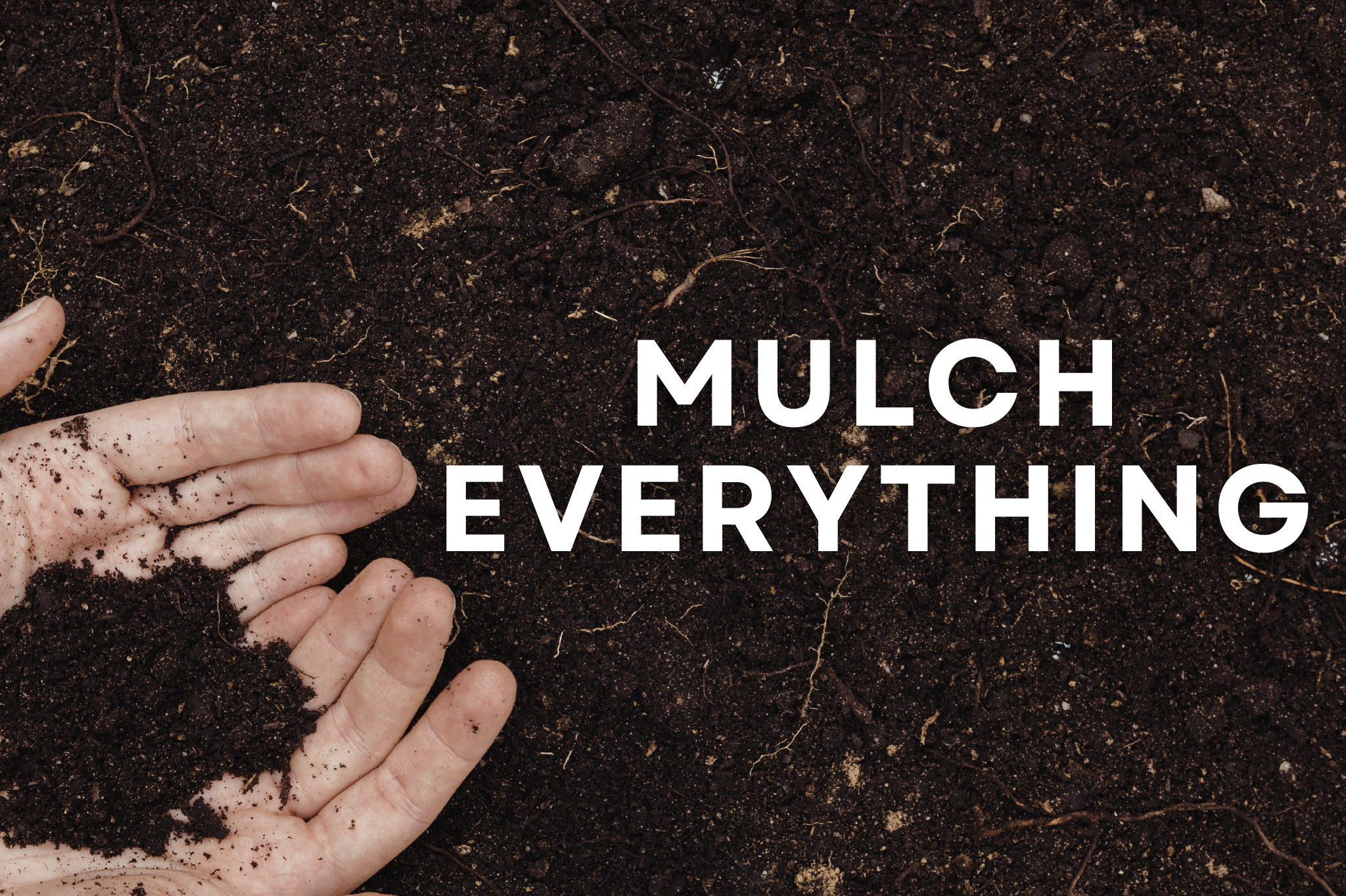
Mulch is your secret weapon for summer landscaping. A 2–3 inch layer of wood chips or shredded bark:
Keeps soil temperatures 10–15 degrees cooler
Reduces water evaporation by up to 70%
Blocks weed seeds from getting sunlight
Breaks down into organic matter over time
Apply mulch around trees, shrubs, and flower beds. Keep it a few inches away from plant stems to prevent rot.
4. Mow High and Leave the Clippings
Grass cut too short exposes soil to direct sun, drying it out fast. During summer:
Set your mower to 3–4 inches – Taller grass shades its own roots.
Leave grass clippings on the lawn – They return nitrogen and moisture to the soil.
Mow in the evening – Reduces stress on the grass.
If your lawn is struggling despite proper mowing, C&K Landscaping can evaluate whether you need a different grass variety or a full lawn renovation.
5. Install Smart Hardscaping
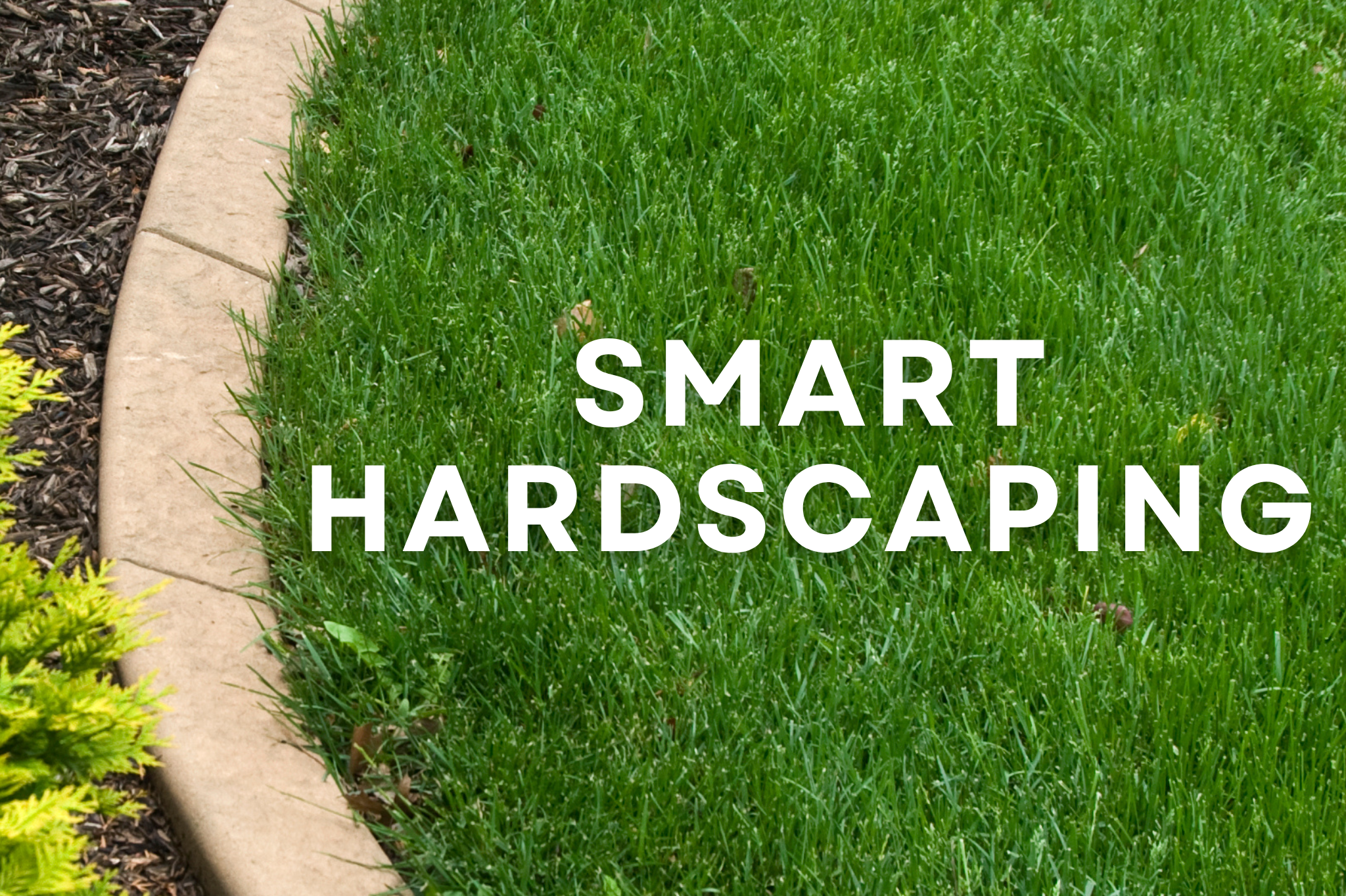
Not every part of your yard needs to be grass. Strategic hardscaping reduces water demand and heat absorption. Consider:
Pavers or flagstone patios – No watering, no mowing.
Gravel pathways – Permeable and heat-reflective if you use light-colored stone.
Decorative boulders – Absorb less heat than dark mulch or asphalt.
C&K Landscaping designs hardscape elements that complement your plants and cut your summer workload.
6. Group Plants by Water Needs
This is called “hydrozoning,” and it’s a game-changer for summer landscaping. Put thirsty plants together in one irrigation zone and drought-tolerant plants in another. That way you’re not overwatering succulents just to keep a rose bush alive.
7. Provide Afternoon Shade
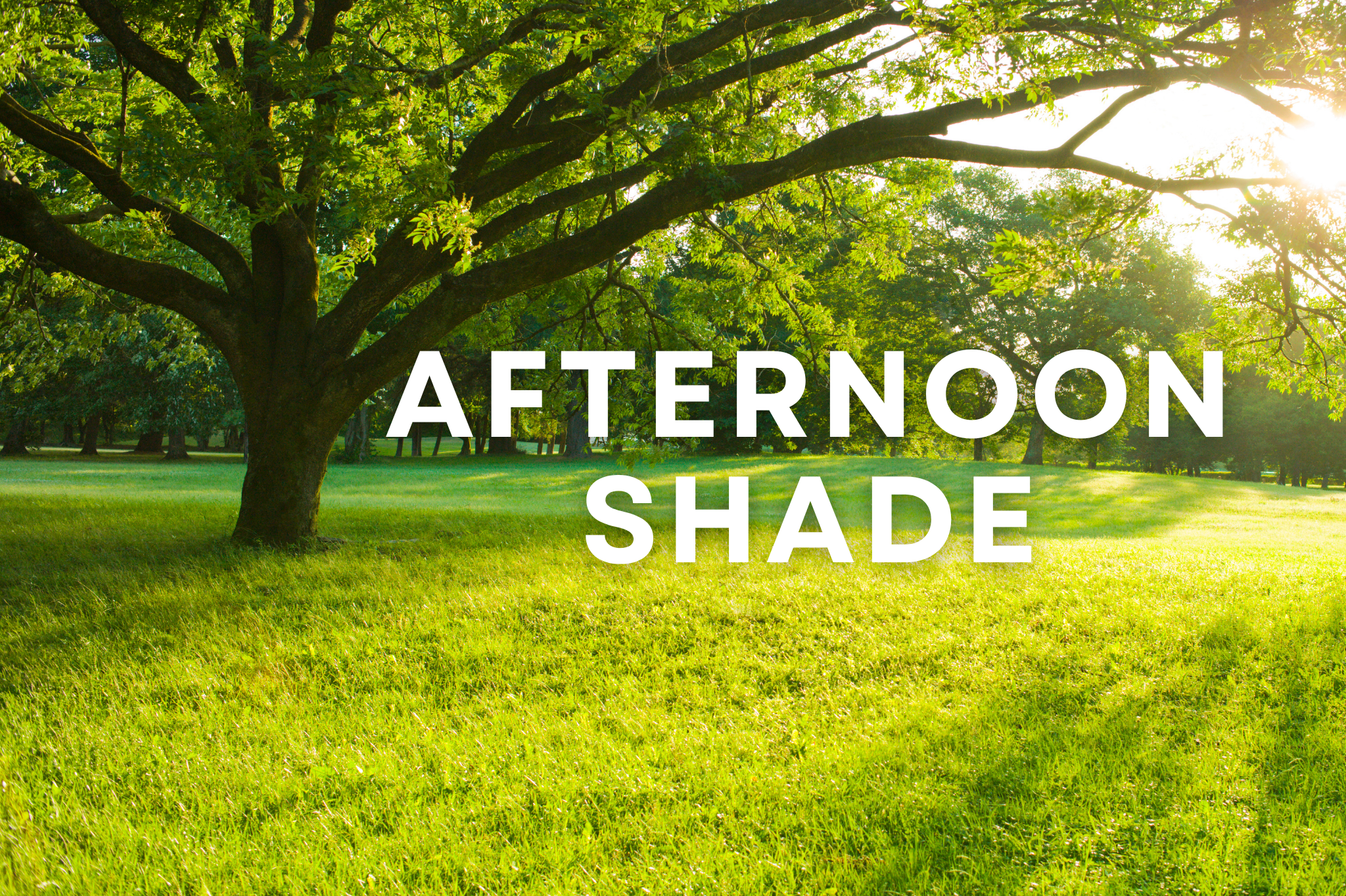
Newly planted trees and shrubs can get scorched by Utah’s 3–6 p.m. sun. Temporary solutions include:
Shade cloth (40–60% density) stretched over veggie gardens
Planting fast-growing annuals like sunflowers or amaranth as nurse plants
Installing a shade sail over young Japanese maples or dogwoods
For a permanent solution, ask C&K about strategic tree placement that protects your home and yard for decades.
8. Adjust Fertilizer and Pruning
Summer is not the time for heavy feeding or aggressive pruning.
Stop high-nitrogen fertilizer by June – It pushes tender new growth that can’t handle heat.
Only prune dead or diseased branches – Major pruning should wait for fall or early spring.
Hold off on transplanting – Any new plant installed after July will struggle without daily care.
9. Let Your Lawn Go Dormant
Cool-season grasses like Kentucky bluegrass naturally go semi-dormant in extreme heat. They turn brown but don’t die. If you can tolerate a tan lawn for 6–8 weeks.
Water only once every 10–14 days to keep crowns alive.
Stop mowing until temperatures drop.
Accept that it will green up again in September.
If you want a green lawn all summer, C&K can recommend warm-season grasses like buffalo grass or bermuda grass that thrive in 90°F+ weather.
10. Schedule a Summer Checkup
Even the best summer landscaping plan can run into problems—clogged drip emitters, failing timers, or unexpected pest outbreaks. C&K Landscaping offers summer maintenance visits to:
Test your irrigation output and adjust run times
Spot early signs of heat stress or disease
Refresh mulch and pull stubborn weeds
Prune storm-damaged branches after monsoon rains
Don’t Let Summer Win
Your yard shouldn’t be a source of frustration from June through August. With smart summer landscaping techniques—and help from a local team that understands Utah’s unique climate—you can have a beautiful, functional outdoor space all season long.
Ready to beat the heat? Contact C&K Landscaping today for a free estimate. We’ll walk your property, listen to your goals, and build a summer-ready plan that works.