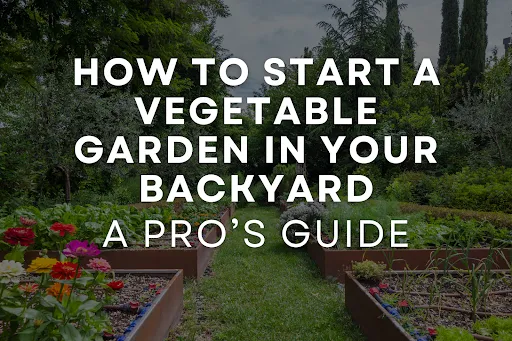
How to Start a Backyard Vegetable Garden | Pro Guide by C & K Landscaping
How Do I Start a Vegetable Garden in My Backyard? A Pro's Guide
Dreaming of harvesting sun-warmed tomatoes, crisp lettuce, and sweet berries just steps from your kitchen door? Creating a vegetable garden in your backyard is one of the most rewarding home projects, transforming outdoor space into a source of beauty, nourishment, and joy. While it may seem daunting, the right planning and professional know-how make it entirely achievable. At C & K Landscaping, we've helped countless homeowners in our community turn their garden dreams into thriving, productive realities. This guide walks you through the essential steps we use when designing and installing successful edible landscapes.
Step 1: The Professional Site Assessment (Your First Crucial Step)
Before you put a shovel in the ground, the most critical step is a thorough site analysis. This is the foundation of every project we undertake at C & K Landscaping.
Sun & Soil Analysis: Your garden needs at least 6-8 hours of direct sunlight daily. Track the sun's path across your potential site. Observe where shadows fall from trees, fences, or your home. More than just sunlight, professional-grade success starts from the ground up. Soil type, drainage, and pH level can dramatically impact plant health. A simple perk test (digging a hole, filling it with water, and timing how long it drains) can reveal drainage issues that need correcting. We often recommend and provide professional soil testing to determine exact nutrient and amendment needs.

Step 2: Design Your Garden for Success and Beauty
A well-designed vegetable garden in your backyard should be both highly functional and aesthetically pleasing, integrating seamlessly with your overall landscape.
Choose Your Garden Type:
Raised Beds: Our top recommendation for most beginners. They offer superior drainage, reduce soil compaction, extend the growing season with warmer soil, and make gardening accessible. We build custom cedar or composite beds that are as attractive as they are durable.
In-Ground Plots: Best for larger, flat areas with existing good soil. Requires thorough tilling and amending.
Integrated Edible Landscaping: Blend vegetables and herbs into your ornamental flower beds. Swiss chard with colorful stems, frilly lettuces, and climbing beans on a trellis can be stunning additions.
Start Small: A common mistake is starting too big. We advise beginners to begin with one or two 4'x8' raised beds. This manageable size allows you to learn and succeed without being overwhelmed.

Step 3: Build the Ultimate Soil Foundation
This is where the magic happens. You cannot have a vibrant, productive garden without vibrant, living soil. Think of it as building the perfect pantry for your plants.
The C & K Landscaping Soil Recipe: We create a balanced blend for raised beds that includes:
High-quality topsoil as the base.
Generous Amounts of Compost (30-50% of the mix) to provide nutrients and beneficial microbes.
Well-rotted manure or other organic amendments, such as worm castings, for an extra boost.
Aeration Components, such as coarse horticultural sand or perlite, ensure that roots receive oxygen.
For in-ground gardens, we till the existing soil to a depth of 12 inches and work in 3-4 inches of compost across the entire area.
Step 4: Select and Plant Like a Pro
Choose What You Love: Focus on vegetables your family actually eats. Prioritize varieties known for flavor and reliability in our local climate.
Smart Planting Strategies We Use:
Succession Planting: After harvesting a quick crop like radishes or spinach, immediately replant that space with beans or fall kale. This maximizes yield from every square foot.
Companion Planting: Place beneficial plants together. For example, planting basil near tomatoes can enhance flavor and repel pests, while marigolds scattered throughout deter nematodes.
Vertical Growing: Use trellises, obelisks, and cages for vining crops like tomatoes, cucumbers, and pole beans. This saves immense ground space, improves air circulation, and makes harvesting easier.

Step 5: Efficient Irrigation and Ongoing Care
Watering Wisdom: Consistent, deep watering is key. Drip irrigation or soaker hoses are professional-grade solutions we install to deliver water directly to the root zone, conserving water and preventing leaf diseases. Aim for about 1 inch of water per week, more during peak summer heat.
Mulch for Health & Cleanliness: Apply a 2-3 inch layer of organic mulch (straw, shredded leaves, or wood chips) around your plants. This suppresses weeds, retains crucial soil moisture, and keeps soil temperatures stable.
When to Call the Professionals at C & K Landscaping
Starting a vegetable garden in your backyard is incredibly satisfying. However, certain tasks benefit immensely from professional expertise:
Site Grading & Drainage: If your chosen spot has pooling water or a significant slope.
Custom Construction: Building durable, beautiful raised beds, permanent pathways, or integrated irrigation systems.
Soil Amendment on a Large Scale: Sourcing and tilling in bulk compost and soil blends.
Seasonal Overhauls: Transforming an underused part of your yard into a productive, beautiful edible oasis.
Ready to dig in? Let C & K Landscaping help you build the backyard vegetable garden you've been dreaming of. From initial design and professional installation to advice on maintaining your thriving edible landscape, we're here to ensure your success.
Visit our Garden Design Services Page or contact us today for a consultation to start planning your home harvest!
