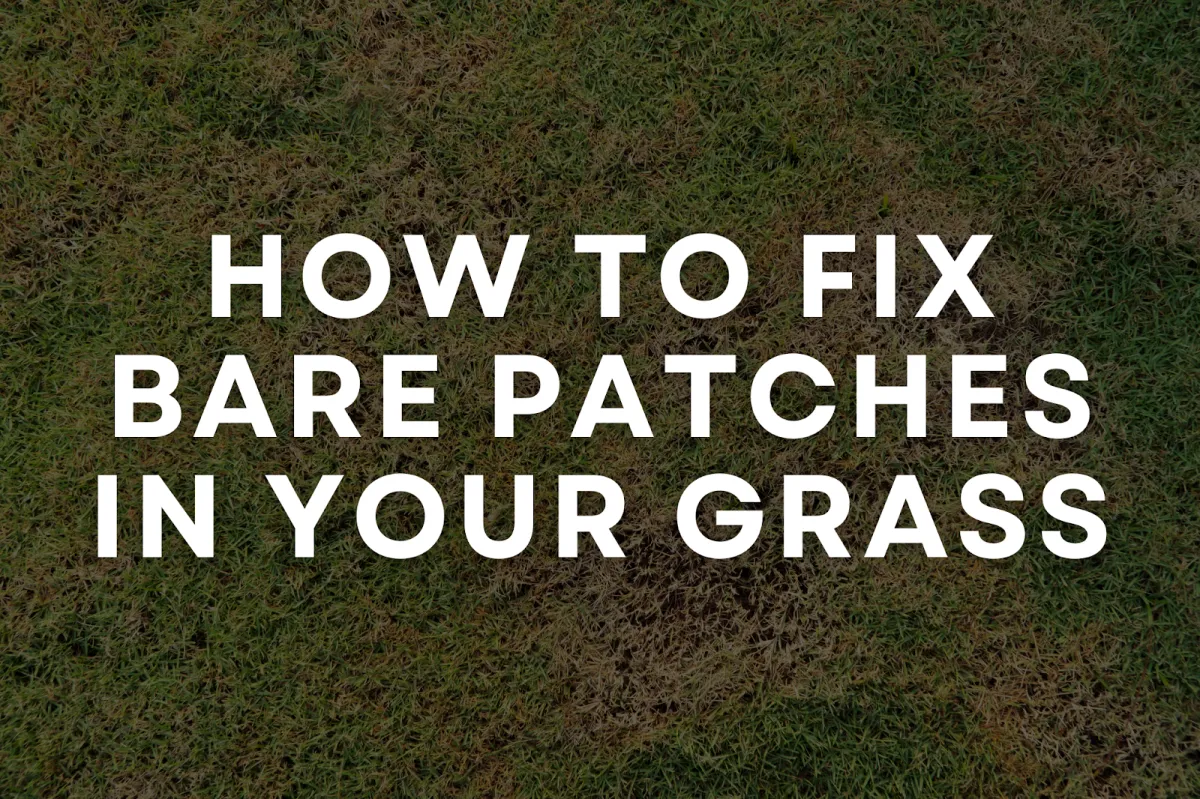
How to Fix Bare Patches in Your Grass | Lawn Repair Guide
How Can I Fix Bare Patches in My Grass?
Nothing disrupts the lush, green canvas of a well-maintained lawn like a few stubborn bare patches. These bald spots can appear suddenly, marring your home's curb appeal and leaving you wondering what went wrong. At C & K Landscaping, we understand that a seamless lawn is a point of pride. The good news is that fixing bare patches in your grass is a straightforward process you can often tackle yourself. Let’s walk through the causes and the clear, actionable steps to revive your lawn’s uniform beauty.
Diagnosing the Problem: Why Are There Patches in My Grass?
Before you rush to repair, it’s crucial to play detective. Treating the symptom without addressing the cause is a recipe for recurrence. Common culprits for those unsightly patches in my grass include:
Heavy Foot or Pet Traffic: Constant pacing compacts soil and kills grass.
Buried Debris: Rocks or construction rubble near the surface can inhibit root growth.
Fungal Disease or Insect Damage: Certain pests and diseases feast on grass, creating circular or irregular dead zones.
Chemical Spills: Gasoline, fertilizer, or herbicide over-application can burn the grass.
Thick Thatch Layer: A mat of dead organic matter over ½ inch thick can prevent water and nutrients from reaching the roots.
Poor Soil Conditions: Compacted, nutrient-poor, or improperly drained soil will struggle to support healthy grass.
Identify the likely cause for your specific patches in my grass and take corrective measures—like aerating for compaction, treating for pests, or redirecting foot traffic.

Your Step-by-Step Guide to Repairing Bare Patches
Once you’ve addressed the underlying issue, follow this methodical approach for a seamless repair. The best times for this are during your grass type's peak growing seasons: early fall or spring for cool-season grasses, late spring to early summer for warm-season varieties.
Step 1: Prepare the Area
Start by removing any dead grass, weeds, and debris from the bare patch. Use a garden rake, cultivator, or even a sturdy hand trowel to loosen and break up the top 2-3 inches of soil. This creates a welcoming seedbed for new roots. For severely compacted spots, mixing in a thin layer of compost or topsoil can improve soil structure and provide a nutrient boost.
Step 2: Select the Right Grass Seed
This is critical for a blend that matches. Dig up a small plug of grass from a healthy, inconspicuous part of your lawn and take it to a local garden center, or consult your original landscaping plan. Matching the seed type (e.g., Kentucky Bluegrass, Perennial Ryegrass, Fescue) ensures the repaired patches in my grass will blend in color, texture, and growth habit. For high-traffic areas, consider a "traffic blend" for durability.
Step 3: Sow and Feed
Evenly spread the grass seed over the prepared soil at the rate recommended on the bag. Lightly rake the area so the seeds are in good contact with the soil—but not buried more than ¼ inch deep. Apply a starter fertilizer to give seedlings the essential nutrients for strong root development. For larger patches in my grass, you may also use a biodegradable seeding mat to retain moisture and protect seeds.
Step 4: Water with Care
Water is the make-or-break factor. Gently moisten the area immediately after planting, using a fine mist to avoid washing seeds away. The goal is to keep the top inch of soil consistently moist but not soggy. You may need to water lightly 2-3 times a day until seeds germinate and seedlings reach about an inch tall. Then, you can transition to deeper, less frequent watering to encourage robust roots.
Step 5: Protect and Monitor
Consider laying a very light layer of straw (not hay, which contains weeds) over the patch to retain moisture and protect seeds from birds. Minimize foot traffic in the area. Once the new grass reaches about 3 inches tall—typically in 6-8 weeks—you can give it its first gentle mow.

Patches in My Grass: When to Call the Professionals at C & K Landscaping
While DIY repair is satisfying, some situations call for expert intervention:
The patches in my grass are widespread or recurrent, indicating a deeper soil, drainage, or disease issue.
You’ve tried repairing before without success.
You lack the time or desire for the precise preparation and consistent aftercare.
You want a guaranteed, uniform result that perfectly matches your existing lawn.
At C & K Landscaping, we don’t just fill holes. We perform a comprehensive lawn analysis to diagnose the root cause. Our team then executes precision repairs with professional-grade materials and techniques, from soil amendment and expert seeding to sod installation for instant results. We ensure proper integration with your existing lawn and provide guidance on aftercare to keep your entire landscape vibrant.
Preventing Future Bare Spots

A healthy lawn is your best defense. Implement a proactive regimen:
Mow High: Keep your mower blade sharp and never cut more than one-third of the grass blade height. Taller grass promotes deeper roots.
Water deeply: Provide about 1 inch of water per week, encouraging roots to grow downward.
Aerate Annually: Core aeration relieves soil compaction and improves air, water, and nutrient flow.
Fertilize Seasonally: Feed your lawn with a balanced fertilizer schedule tailored to our local climate.
Don’t let bare patches in my grass undermine the hard work you’ve put into your property. With the right knowledge and a little effort, you can restore its flawless green expanse. But if you’re facing a stubborn problem or simply want it done the first time perfectly, remember that expert help is just a call away.
Ready to say goodbye to bare patches for good? Contact C & K Landscaping today for a consultation. Let our team diagnose your lawn’s needs and deliver a tailored, lasting solution that brings back the thick, lush lawn you love.
