What’s the Environmental Impact of Lawn Care?
At C & K Landscaping, we believe that a beautiful landscape doesn’t have to come at the expense of the environment. For decades, the standard approach to lawn care focused on a single metric: visual perfection. However, as stewards of the land, we recognize that how we maintain our properties has a profound impact on the local ecosystem.
When we discuss lawn care, we are typically discussing a complex system involving soil health, water usage, chemical inputs, and machinery emissions. Understanding this impact is the first step toward creating a yard that is not only attractive but also sustainable.
The Carbon Footprint of Maintenance
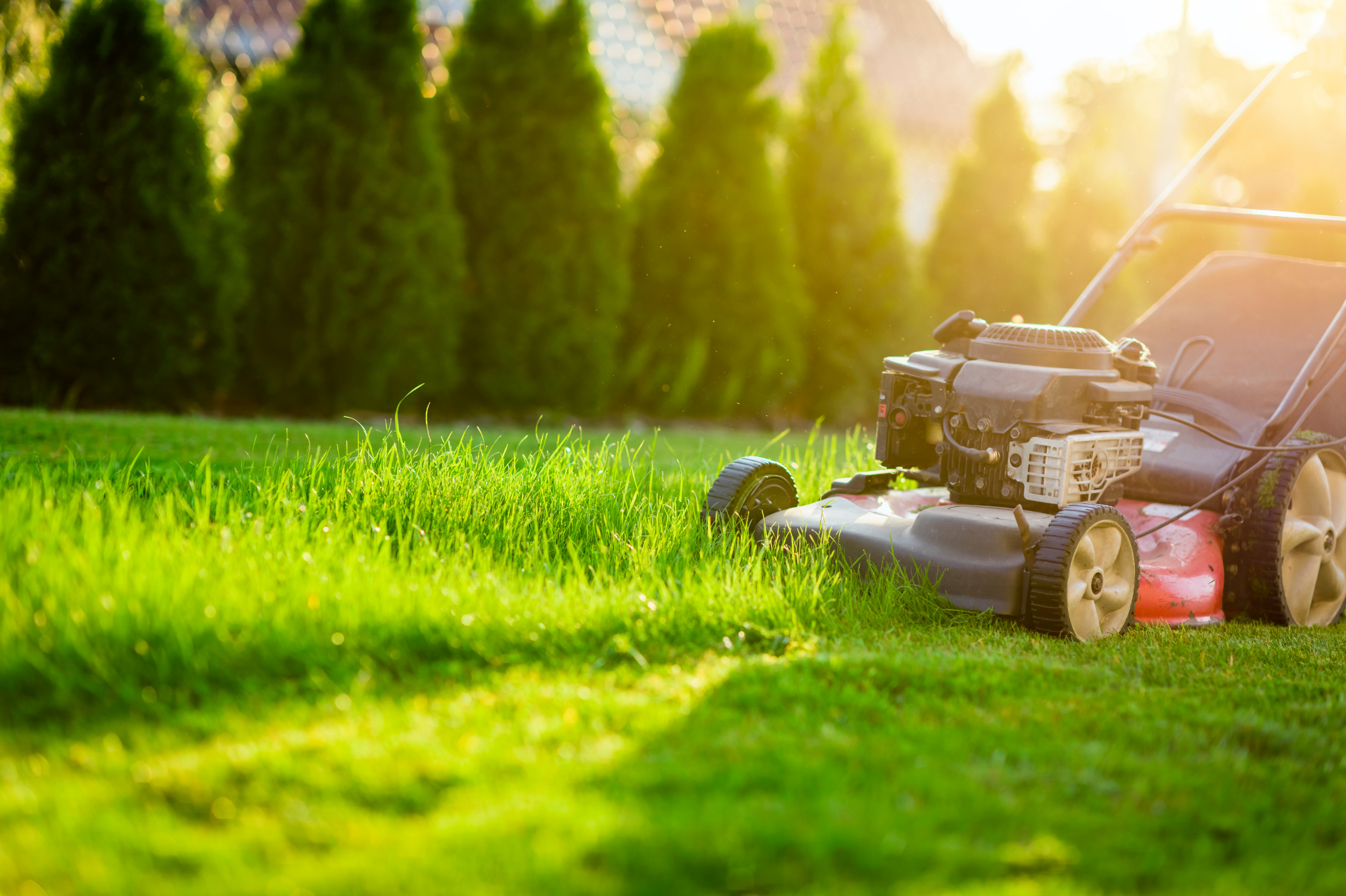
One of the most immediate environmental impacts of traditional lawn care is the emission of greenhouse gases. The equipment used to maintain the average suburban lawn, gas-powered mowers, string trimmers, and leaf blowers, often lacks the emissions controls found in modern automobiles.
According to the U.S. Environmental Protection Agency (EPA), gas-powered lawn mowers account for a significant percentage of non-road gasoline emissions. In fact, a single hour of running a gas-powered push mower can produce as much smog-forming pollution as driving a new car for hundreds of miles. For professional lawn care companies like ours, we have a responsibility to mitigate this. At C & K Landscaping, we prioritize electric and low-emission equipment to ensure that the pursuit of a tidy property doesn’t contribute unnecessarily to air quality degradation.
Water Consumption and Scarcity
Water is our most precious resource, yet it is often the most wasted element in lawn care. Traditional turf grasses, such as Kentucky bluegrass or tall fescue, require consistent hydration to remain green during the hot summer months.
The environmental issue here is twofold. First, over-irrigation leads to runoff, which carries fertilizers and sediment into storm drains, eventually polluting local waterways. Second, in many regions, lawn care accounts for nearly half of all residential water use. This puts strain on municipal water supplies and local aquifers. Sustainable lawn care involves smart irrigation practices, such as watering deeply but infrequently, utilizing rain sensors, and selecting grass varieties that are drought-tolerant.
The Chemical Load: Fertilizers and Pesticides
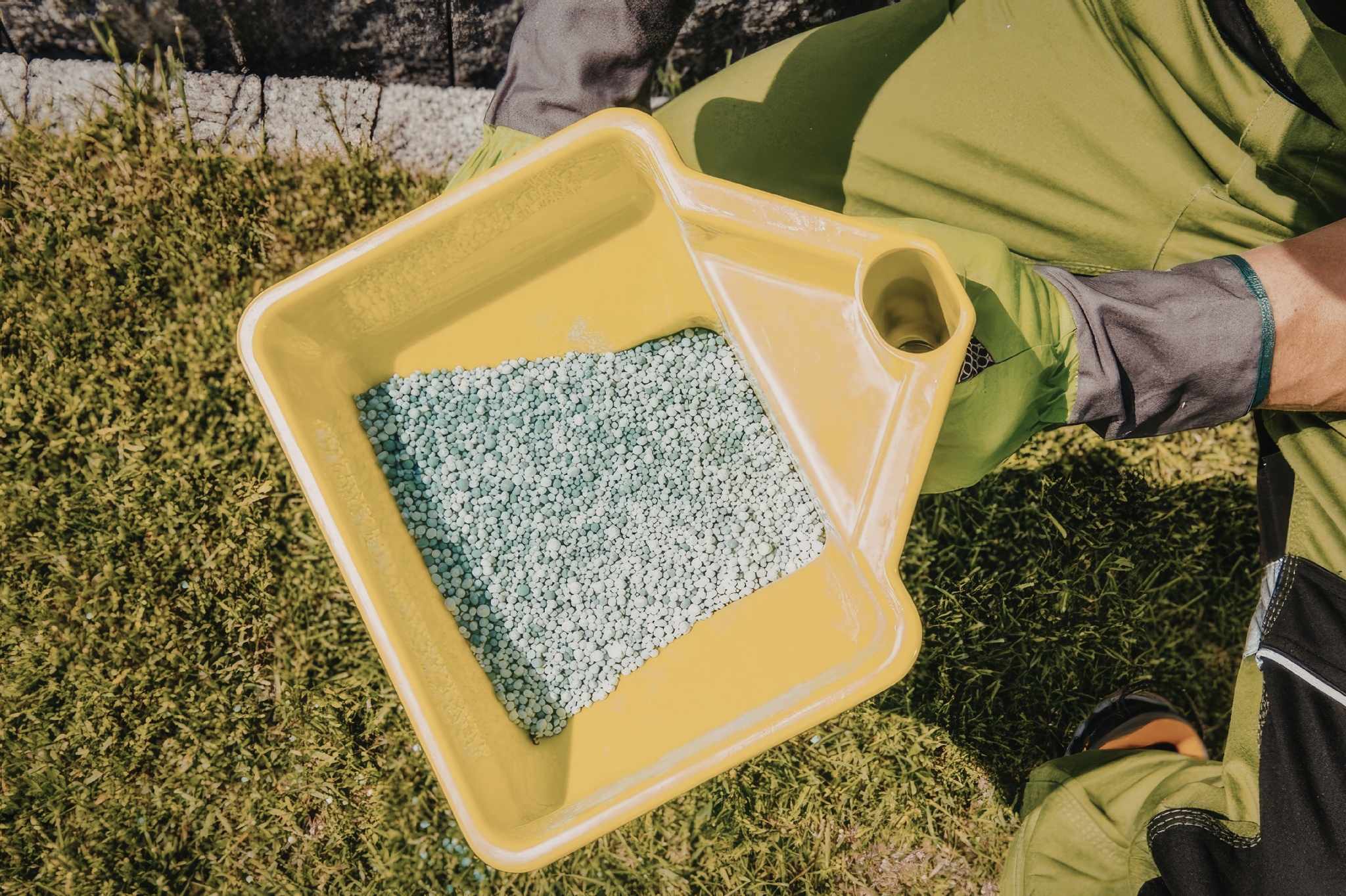
Perhaps the most complex environmental issue surrounding lawn care is the use of synthetic chemicals. While nitrogen-rich fertilizers create a quick, vibrant green, much of that product is often wasted. When applied improperly, excess nitrogen volatilizes into the atmosphere as nitrous oxide (a potent greenhouse gas) or leaches into groundwater.
Furthermore, the pesticides and herbicides used in conventional lawn care do not distinguish between a "weed" and a native plant. These chemicals can decimate soil microbiology, the beneficial fungi and bacteria that actually help grass thrive naturally. When we sterilize the soil, we create a dependency loop where the lawn becomes reliant on continuous chemical inputs to survive.
At C & K Landscaping, we advocate for an integrated approach to lawn care. By focusing on soil health through aeration and compost top-dressing, we can often reduce or eliminate the need for synthetic interventions. Healthy soil grows healthy grass, which naturally outcompetes weeds and resists pests.
Biodiversity and the "Green Desert"
A monoculture lawn, a vast expanse of a single grass species, is often referred to as a "green desert" by ecologists. While it may look uniform, it offers very little ecological value. Traditional lawn care practices that prioritize this uniformity eliminate habitat for pollinators like bees and butterflies, as well as food sources for birds.
The environmental impact here is a loss of biodiversity. When we view lawn care through an ecological lens, we shift our goal from total uniformity to harmonious management. This might mean reducing the size of the lawn to make room for native flower beds or tolerating the presence of clover, which naturally fixes nitrogen in the soil and provides forage for pollinators.
Soil Health and Carbon Sequestration
It is important to note that lawns are not inherently bad. A well-managed lawn is excellent at preventing erosion, filtering runoff, and sequestering carbon. However, the difference lies in the methods used.
Sustainable lawn care focuses on building soil organic matter. Grass roots are fibrous and extensive; they create a network that holds soil in place and captures carbon from the atmosphere. When we practice proper lawn care, such as mulching grass clippings (grasscycling) to return nutrients to the soil, aerating to reduce compaction, and using organic fertilizers, we turn the lawn into a carbon sink rather than a carbon source.
What’s the Environmental Impact of Lawn Care?
So, what does responsible lawn care look like? It does not mean abandoning the lawn altogether, but rather redefining the standards of success.
Right Plant, Right Place:
Choose turf varieties suited to your specific sun exposure and climate. C & K Landscaping often recommends tall fescue mixes for the local area, which require less water and fertilizer than other species.
Smart Mowing:
Raise the mower height. Taller grass grows deeper roots. Keeping blades sharp and leaving clippings on the lawn reduces the need for synthetic fertilizer by up to 30%.
Soil First:
Conduct a soil test. Instead of blindly applying lime or fertilizer, we analyze what the soil actually needs. Aeration and top-dressing with compost are the cornerstones of organic lawn care.
Embrace Integrated Pest Management (IPM): Instead of spraying for a few dandelions, we identify the underlying issue (often compaction or poor nutrition) and address that.
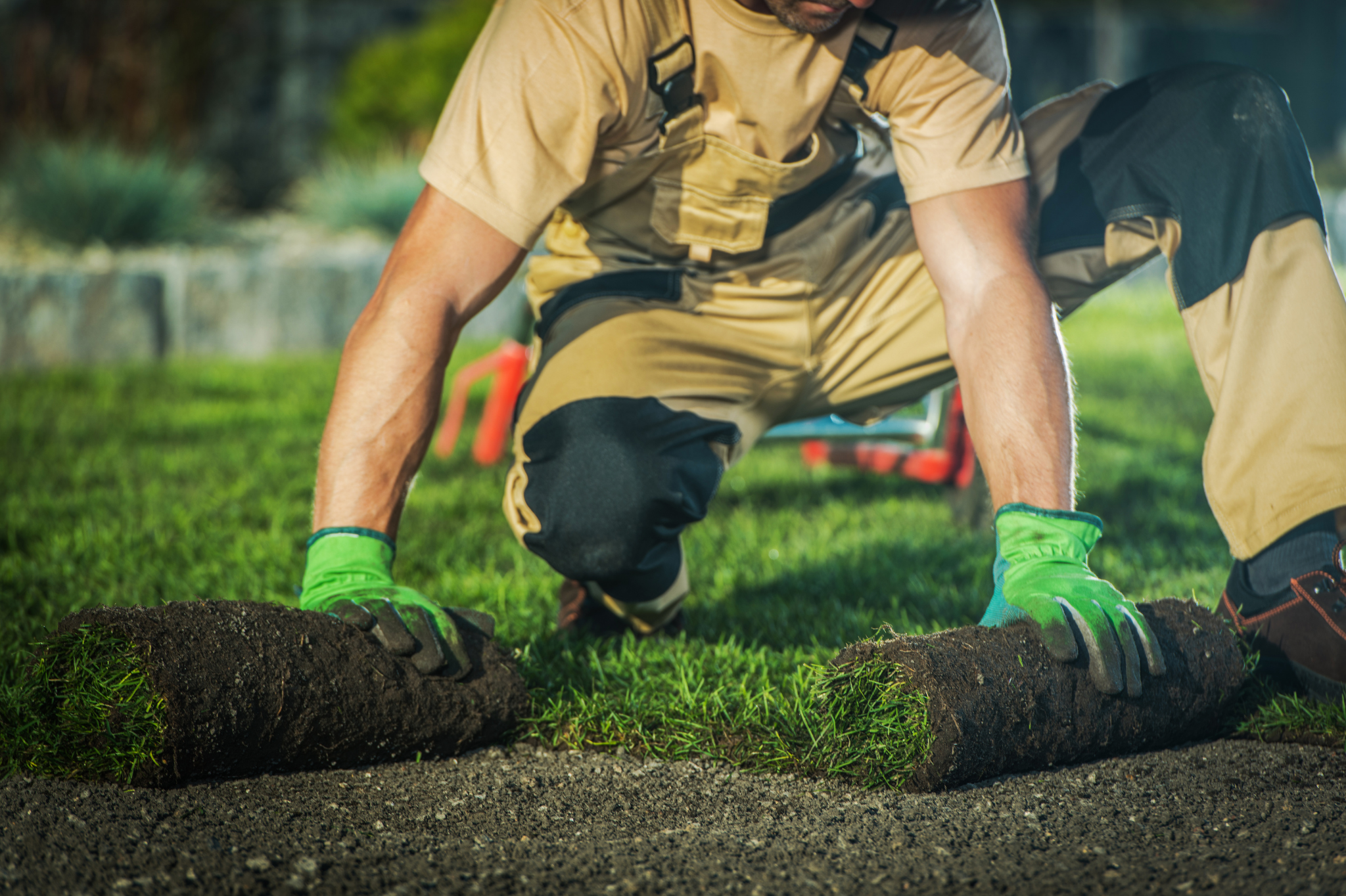
The environmental impact of lawn care is significant, but it is a variable we have the power to control. At C & K Landscaping, we are committed to shifting the paradigm from high-input, high-impact maintenance to a regenerative approach. We believe you can have a property that is both aesthetically pleasing and environmentally responsible.
Whether you are looking to convert to electric equipment, reduce your chemical footprint, or redesign your landscape to support local ecology, sustainable lawn care is the future. Let’s work together to ensure that the green spaces we manage are as healthy for the planet as they are for the eyes.
Sustainable Beauty, Expertly Crafted
