What’s the Best Wood for Raised Beds?
Building raised garden beds is one of the smartest investments you can make for your yard. They offer better control over soil quality, improved drainage, and a clean, organized look that complements a well-designed landscape. Here at C&K Landscaping, we often incorporate them into our custom garden designs because they are both functional and attractive.
But if you're planning a DIY project or working with a professional, a critical question comes up quickly: What’s the best wood for raised beds?
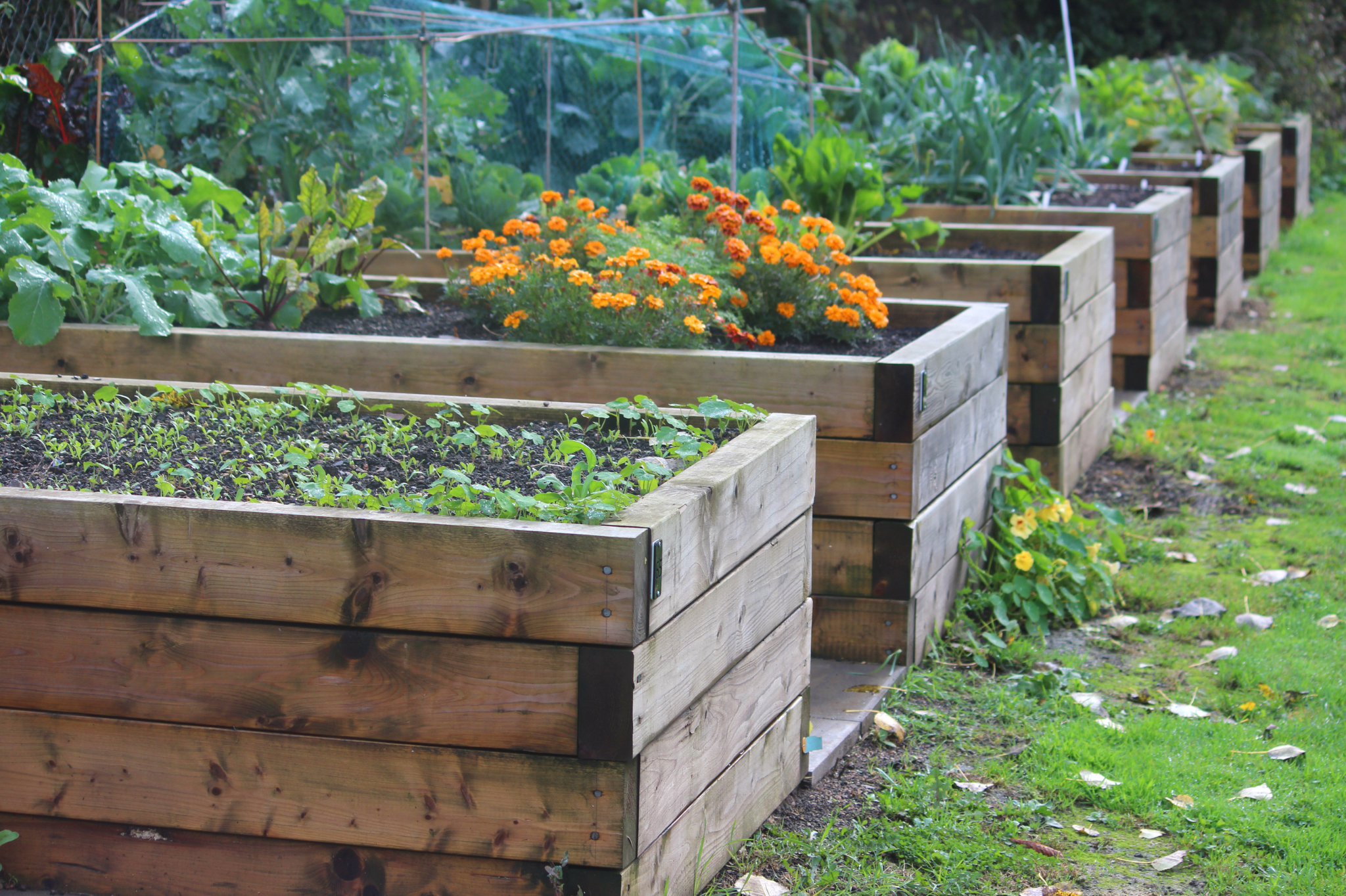
The answer isn't one-size-fits-all. The "best" wood balances longevity, cost, safety, and aesthetics. Using the wrong material can lead to rot, soil contamination, or a bed that falls apart in a few years. Let's dig into the top contenders to help you make the right choice for your Southern Utah home.
What to Look for in Lumber for Gardening
Before we compare specific woods, keep these key factors in mind:
Rot Resistance: The wood will be in constant contact with moist soil. Natural rot resistance is key to a long life.
Safety: You'll be growing food in this soil. You must avoid woods treated with harmful chemicals that can leach into your vegetables.
Durability: Can it withstand temperature swings, insects, and ground contact without warping or cracking?
Cost & Availability: Some premium woods are expensive and may be harder to find locally.
With that in mind, here are the best options for raised beds, ranked by their overall value and performance.
1. Cedar: The Gold Standard
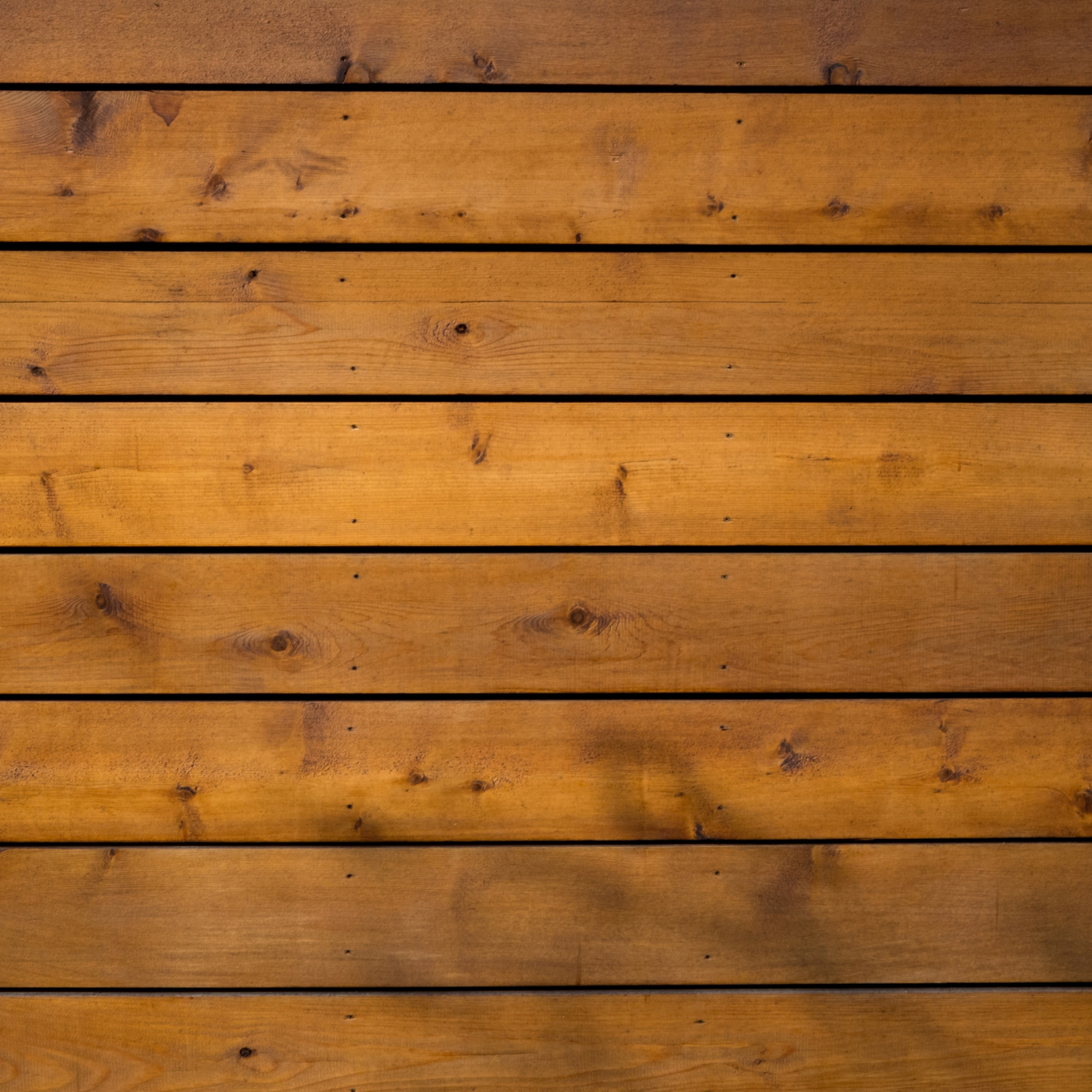
When most landscapers and gardeners talk about the best wood for raised beds, cedar is the name you hear most often.
Why it’s great: Cedar contains natural oils that make it resistant to rot, decay, and insect damage. A good quality cedar board can last 10-15 years or more without any chemical treatment.
Aesthetics: It has a beautiful, rich color and a pleasant aroma. Over time, it weathers to a distinguished silvery-gray if left unfinished.
Best For: Homeowners who want a long-lasting, safe, and naturally beautiful bed. It’s an investment in a permanent garden structure.
2. Redwood: The Premium Choice
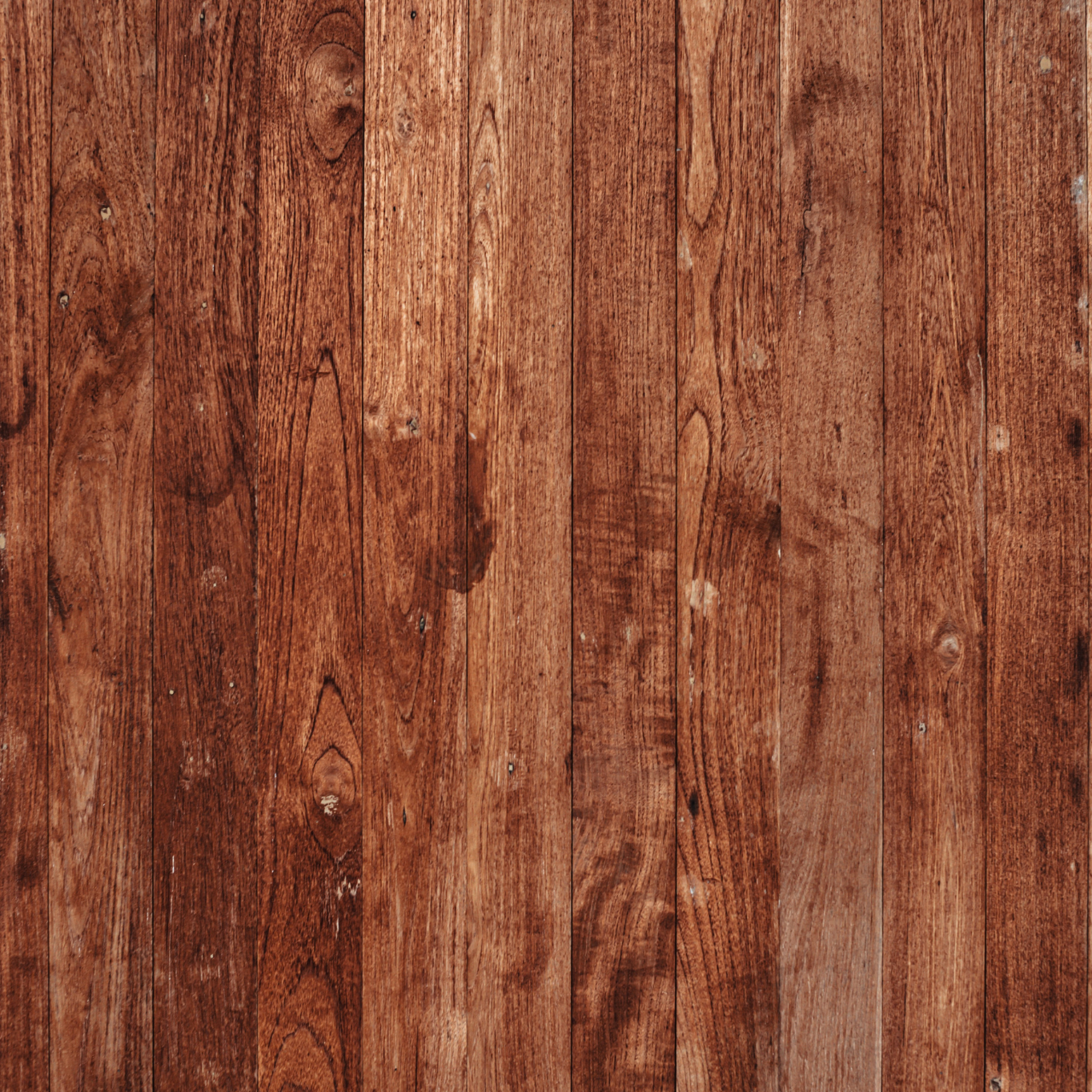
Similar to cedar, redwood is another top-tier softwood prized for its natural beauty and durability.
Why it’s great: Redwood contains tannins that make it naturally resistant to both rot and insect infestation. It’s incredibly stable and less likely to warp or cup than other woods.
Aesthetics: It boasts a stunning reddish hue that many homeowners love. Like cedar, it ages gracefully.
Considerations: It can be significantly more expensive than cedar and may have a more limited availability depending on your region. In Southern Utah, it's a premium option for a show-stopping garden.
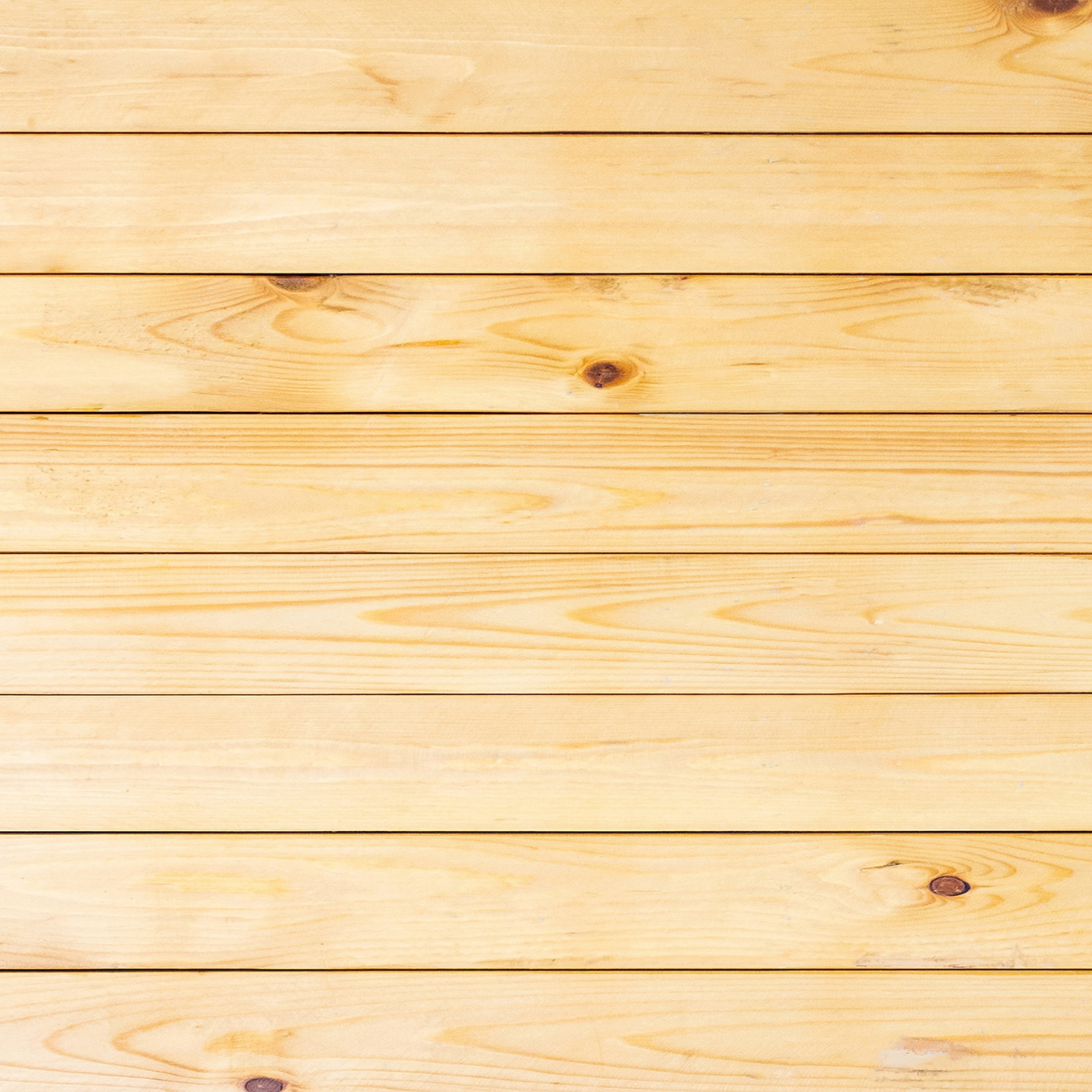
3. Untreated Pine or Fir: The Budget-Friendly Starter
If you're on a tight budget or building temporary beds, untreated pine or fir is the most accessible option.
Why it’s great: It’s readily available at any lumber yard and is the cheapest option by far.
The Trade-Off: These are softwoods with no natural rot resistance. In ground contact, an untreated pine bed will likely only last 3-5 years before it begins to decay.
Pro Tip: You can extend its life by lining the inside of the bed with heavy-duty plastic (ensure it has drainage holes) to create a barrier between the soil and wood, but this is a temporary fix. This is a good option for testing a new garden layout before committing to a permanent bed.
4. Hardwoods (Like Oak): The Sturdy Alternative
For a different look and exceptional strength, consider a rot-resistant hardwood.
Why it’s great: Dense hardwoods like oak, black locust, or osage orange are incredibly strong and can last for decades. Black locust, in particular, is known to have a lifespan of over 25 years in ground contact.
Considerations: Hardwoods are heavy, difficult to work with (they can blunt your saw blades), and can be very expensive. They may also need to be sourced from specialty lumber suppliers.
The Big Warning: What Wood to AVOID
This is the most important part. Do not use railroad ties or treated lumber for vegetable beds.
Older railroad ties are soaked in creosote, a known carcinogen. Modern pressure-treated lumber often uses chemicals like copper-based compounds (ACQ, CA). While these are safer than older methods and are now considered safe for general use by the EPA, many gardeners still prefer to avoid any risk of chemicals leaching into the soil where their food grows. For absolute peace of mind, stick with untreated natural woods like cedar or redwood.
Building Your Dream Garden with C&K
Choosing the right materials is the first step to a successful and productive garden. At C&K Landscaping, we believe in building landscapes that last. Whether you decide on classic cedar beds or need help designing a full-scale vegetable garden that integrates perfectly with your lawn and irrigation system, our team is here to help.
From selecting the perfect spot to ensuring proper soil preparation and drainage, we handle the hard work so you can enjoy the results—fresh vegetables, beautiful flowers, and a yard that works as hard as you do.
Ready to stop fighting weeds and start growing your own food? Schedule a free estimate with us today. We’ll walk your property, discuss your vision, and create a custom plan for a landscape you’ll love.
