
What’s the Best Landscaping for Slopes or Hills?
A sloped yard can feel like a challenge. But with the right approach, landscaping hillside properties creates stunning, functional outdoor spaces that outperform flat yards in both beauty and durability.
At C&K Landscaping, we transform challenging slopes into landscape assets. Here’s how to choose the best solution for your hillside.
Why Slopes Need Special Attention
Water runs downhill. Soil follows. Without proper landscaping hillside techniques, slopes erode, lose nutrients, and become maintenance nightmares. Standard lawn care fails on steep ground, mowing is dangerous, water runs off instead of soaking in, and roots can’t anchor effectively.
The goal isn’t to fight the slope. It’s to work with it using proven strategies that hold soil, manage water, and look great.
Top Landscaping Solutions for Hillsides
1. Terracing: The Gold Standard
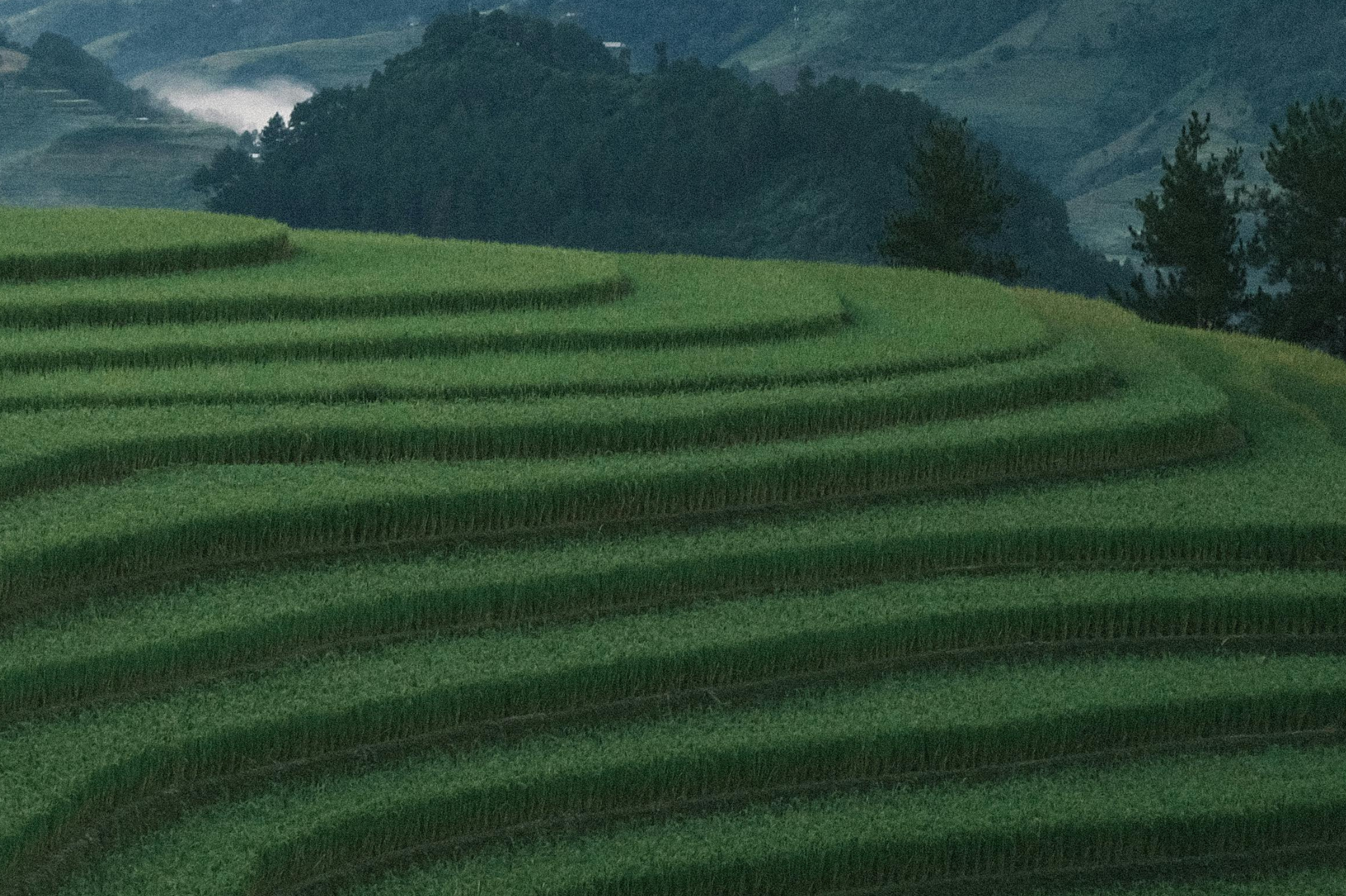
Terracing converts one steep slope into multiple flat “steps.” Each level holds soil and water, making planting and maintenance practical.
Best for: Steep slopes, vegetable gardens, formal landscapes
Pros: Maximum usability, excellent erosion control, creates usable outdoor rooms
Cons: Higher upfront cost, requires retaining walls
2. Deep-Rooted Groundcovers

Plants with extensive root systems bind soil naturally. Unlike shallow-rooted turf, deep-rooted groundcovers hold slopes together year-round.
Top choices for Southern Utah:
Creeping juniper
Blue rug juniper
Russian sage
Ornamental grasses (switchgrass, little bluestem)
Ice plant (cold-hardy varieties)
Best for: Moderate slopes, low-maintenance areas
Pros: Once established, requires minimal care; natural appearance
Cons: Takes 1-2 seasons to fully establish
3. Retaining Walls with Drainage
Properly engineered retaining walls create level planting areas while preventing downhill soil movement. Critical components include weep holes and gravel backfill, without drainage, water pressure destroys walls.
Best for: Any slope where you want garden beds or patios
Pros: Adds property value, creates dramatic visual interest
Cons: Professional design essential; permits may be required
4. Rock Gardens and Riprap
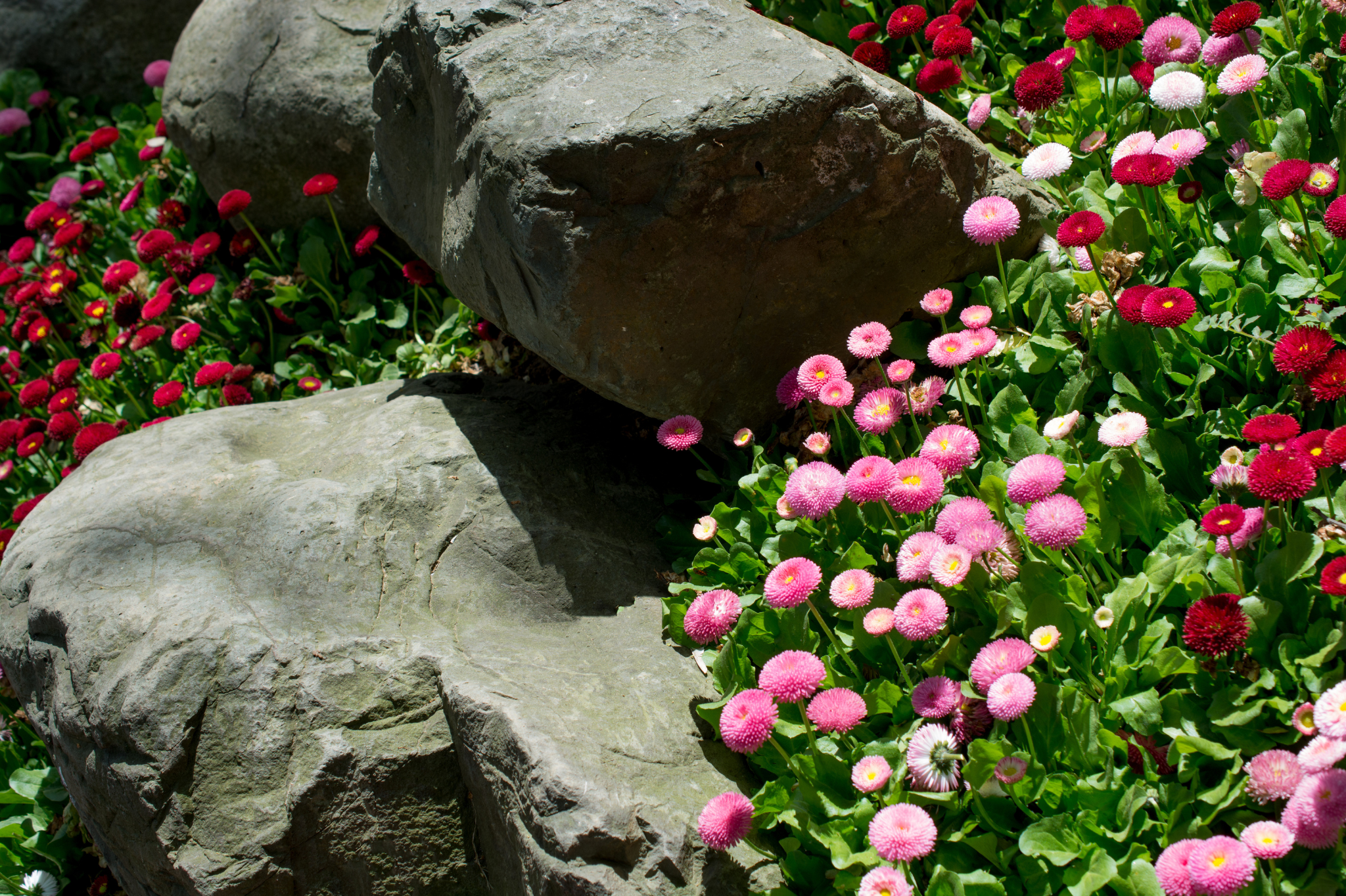
Layered stone slows water flow and traps soil. For very steep or dry slopes, rock gardens provide permanent, zero-maintenance solutions.
Best for: Steep, dry slopes; areas where mowing is impossible
Pros: No watering after installation; lasts indefinitely
Cons: Less plantable space; initial labor intensive
5. Native Grasses and Wildflower Meadows
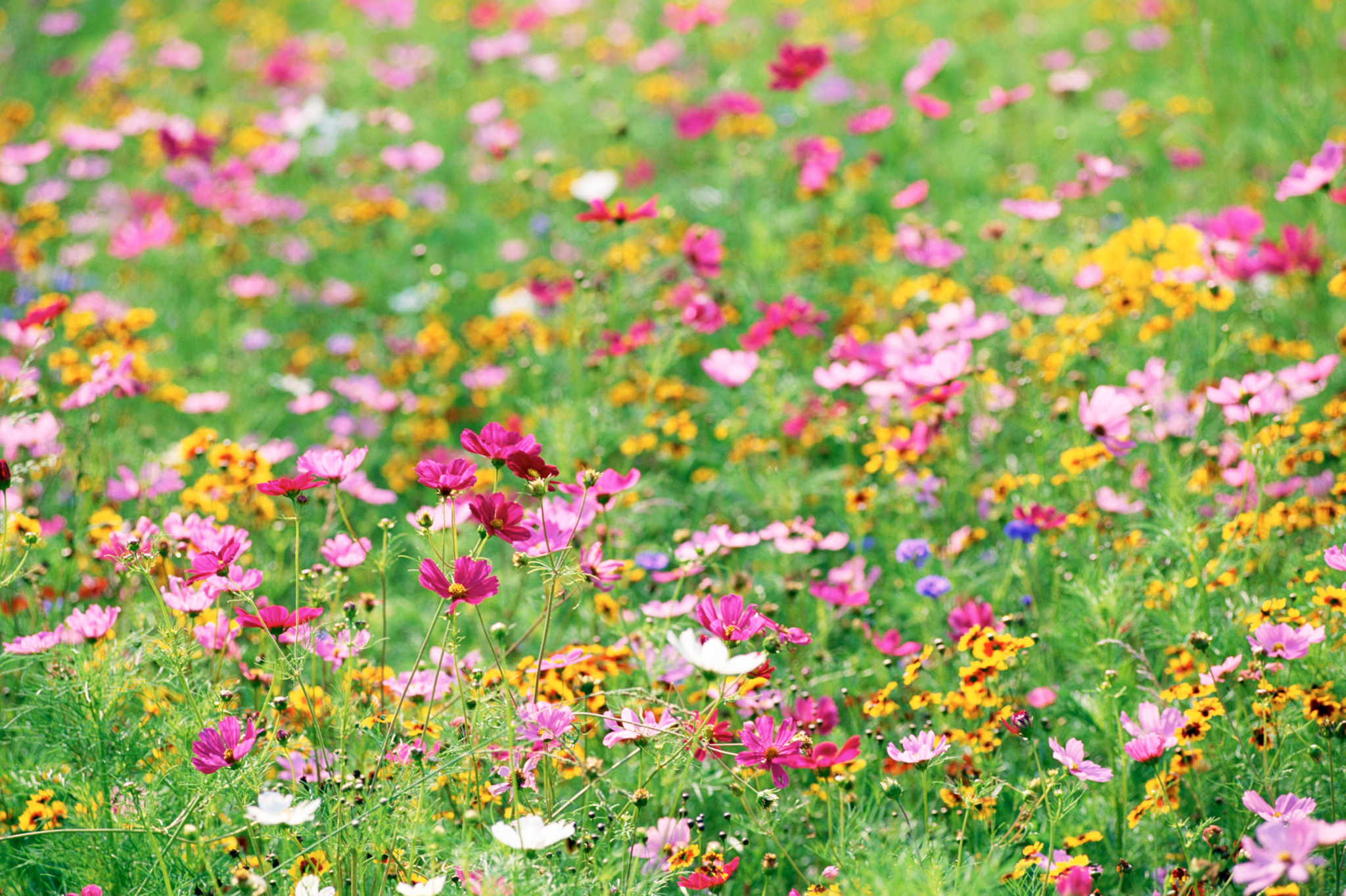
Native plants evolved for your climate. Their deep roots penetrate several feet, holding soil far better than turf. Once established, they need no irrigation.
Best for: Large slopes, naturalistic landscapes, wildlife habitat
Pros: Lowest long-term maintenance; supports pollinators
Cons: Different aesthetic than traditional lawns
What to Avoid on Slopes
Traditional turf grass – Shallow roots; dangerous to mow; requires excessive water
Bark mulch alone – Washes away in first heavy rain
Annual plants – Die each year, leaving bare soil over winter
Poorly placed downspouts – Concentrate water flow and cause gullies
The C&K Landscaping Approach to Hillsides
Every slope is unique. Soil type, sun exposure, steepness, and your goals determine the right solution. We survey your property, test drainage patterns, and design systems that integrate:
Proper drainage – French drains, swales, or dry creek beds to direct water safely
Right plants for your zone – Southern Utah’s climate demands drought-tolerant, hardy species
Erosion control fabric – Holds soil while deep roots establish
Irrigation designed for slopes – Low-flow, timed cycles prevent runoff
Real Results for Hillside Homes
One of our recent projects involved a backyard with a 25-degree slope that was unusable. The homeowners wanted a space for their children and friends but couldn’t even walk safely on the incline.
We installed a three-tier terrace system with block retaining walls, added a paver patio on the middle level, and planted creeping juniper and ornamental grasses on the lowest slope. The top terrace became a garden. The result? A fully functional backyard where nothing existed before, and zero erosion after two heavy rain seasons.
How Much Does Hillside Landscaping Cost?
Costs vary based on slope steepness, access, materials, and plant selection. Generally:
Groundcovers only: 2–5 per square foot
Rock gardens: 5–12 per square foot
Terracing with walls: 15–40 per square foot
Full design-build with drainage and irrigation: 20–60+ per square foot
The investment pays back through reduced maintenance, prevented erosion damage, and increased property value. A poorly managed slope can lead to foundation issues, retaining wall failures, and thousands in repairs.
Start Your Hillside Transformation
Landscaping hillside properties requires expertise, not guesswork. C&K Landscaping serves Southern Utah homeowners ready to turn challenging slopes into their favorite outdoor spaces.
We show up on time, work with integrity, and treat your property like our own. From free estimates to final installation, we handle the hard work so you can enjoy the results.
Ready to fix that slope? Call us at (435) 558-0596 or visit candklandscaping.com to schedule your free estimate. Spring slots fill fast, don’t wait until erosion becomes an emergency.
